
Annapurna Trekking – Annapurna Region Trekking
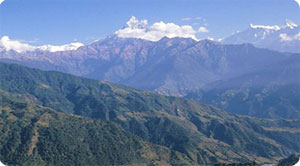 Annapurna trekking is one of the popular trekking destinations in Nepal. Annapurna region trekking presents an ideal introduction to trekking in Nepal Himalaya. Annapurna trekking follow trails through traditional Hindu villages, Mixed culture of Bramin ,Chetri, Tibetan, Gurung , Magaar , lush valleys, forests of conifer, oak, bamboo and rhododendron that ascend to alpine campsites that afford inspiring views of the Annapurna Himalaya range, Manaslu Himalaya range and Dhaulagiri ranges. Annapurna trekking offers different trekking route in Annapurna region including Annapurna Circuit trekking , Annapurna base camp trekking , Jomsom Muktinath trekking, Ghorepani poon trekking , Annapurna sanctuary trekking , Around Annapurna trekking, Narphu valley trekking , Mustang trekking , Mardi Himal trekking , Royal trekking , Panchase trekking , Siklish trekking, Royal trekking, Lamjung Himal trekking, Ghorepani Ghandrung trekking, Annapurna Kyayer lake trekking, Tilicho base camp trekking, Tilicho pass trekking , Thorung la pass trekking, Annapurna loop trekking . As mentioned in Above trekking tour in Annapurna region trekking : Annapurna circuit trekking, Annapurna base camp trekking, Ghorepani poon hill trekking , Mustang trekking is the most popular trekking trail in Annapurna . For all above trekking can be done through kathmadu by bus to Besi shahar , Kathmandu by tourist bus pokhara or Kathmandu by flight to pokhara and pokhara to jomsom by flight. Himalaya Journey Treks & Expedition operate Annapurna Himalaya trekking according to clients holiday schedule and wish.
Since Annapurna trekking trail has been open Himalaya Journey Treks & Expedition professional trekking operator (R.P) has depth experience to arrange the Annapurna trekking as private or group join basis, individual or groups, family or relatives, collage or club groups in tea house or camping / tented trekking with fit all age groups trekkers/ mountaineers. Annapurna trekking is not only popular for Himalayan views also it has highest lake in the world – Tilicho Lake, deepest gorge in the world- Kali gandaki gorge, Third highest water fall- Ruptse water fall, Natural hot sprig – Tatopani , one of the best apple garden- Marpha apple garden, lush valleys and beautiful landscape make Annapurna region trekking is more popular trekking trail in Nepal. Annapurna conservation area project ( ACAP) trekking permit is required for Annapurna region trekking which you can obtain through government registered Nepal trekking agencies. HJT operate whole Annapurna trekking with professional Nepal trekking guide who have been frequently in the year, fluency English speaking, well known about the Annapurna Himalayas , Nepal trekking cook: Expert trekking cook who prepare all kind of meal entire the annapurna trekking if you wish camping/ tented trekking , Nepal trekking porters/ Sherpa : well experience and carry clients luggage entire the trekking in Nepal.
18 Days Annapurna Circuit Trekking
23 Days Around Annapurna Trekking
19 Days Annapurna Base Camp Trekking
24 Days Annapurna Sanctuary Trekking
15 Days Jomsom Muktinath Trekking
17 Days Kaligandaki valley Trekking
12 Days Ghorepani Poonhill Trekking
10 Days Ghandruk Trekking
24 Days Around Dhaulagiri Trekking
24 Days Tilicho Lake Trekking and Round Annapurna Trekking
21 Days Tilicho Pass Trekking/ Mesokanto Pass Trekking
26 Days Narphu/Nar-Phu Valley Trekking
21 Days Annapurna Khayer Lake Trekking
13 Days Mardi Himal Trekking
15 Days Lamjung Himal Trekking
17 Days Churen Himal Trekking
12 Days Sikilish Trekking
12 Days Panchasse Trekking
8 Days Royal Trekking



P.O.Box No: 21235,Thamel, Kathmandu, Nepal
Tel: +977 1 4383184, Fax: +977 1 4415679
Cell: +977 98510 07829
E-mail: himjourney@mail.com.np
We are affiliated with Nepal Tourism Board, Government of Nepal, Tourism Ministry, TAAN, NMA, KEEP, HRA and STN.


